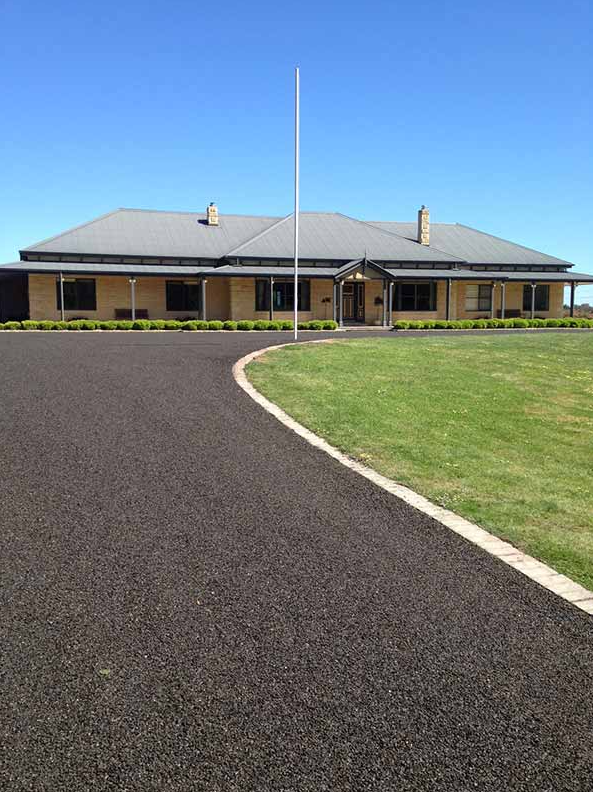
Asphalt is a durable and reliable surfacing material used for driveways, car parks, access roads, hardstands, and commercial pavements. However, even the best asphalt surfaces experience wear and tear over time. Traffic loads, weather conditions, water infiltration, and natural ageing all contribute to gradual deterioration. While minor defects can often be repaired, there comes a point when resurfacing becomes the most effective solution for restoring performance and extending pavement life.
Knowing when an asphalt surface is ready for resurfacing can help property owners avoid more extensive deterioration and maintain a safe, functional surface. For residential and commercial property owners in Doncaster, VIC, recognising the warning signs early can make a significant difference to the long-term condition of the pavement.
What Is Asphalt Resurfacing?
Asphalt resurfacing involves applying a new layer of asphalt over an existing pavement that remains structurally sound. Rather than removing and rebuilding the entire surface, resurfacing restores the upper layer, improving appearance, durability, and performance.
This process is commonly used for:
- Residential driveways
- Commercial car parks
- Access roads
- Industrial hardstands
- Private roadways
- Shared access areas
When carried out at the right time, resurfacing can significantly extend the lifespan of the pavement.
Why Timing Matters
One of the biggest mistakes property owners make is waiting until severe damage has developed before considering resurfacing. By that stage, the pavement may require more substantial rehabilitation rather than a surface restoration.
Resurfacing is most effective when the pavement structure remains stable but the surface layer is beginning to show signs of wear.
Regular inspections help identify these signs before they become larger structural problems.
Widespread Surface Cracking
A few isolated cracks do not necessarily indicate that resurfacing is required. However, when cracking becomes widespread across large sections of the pavement, it may suggest that the surface layer is reaching the end of its service life.
Common signs include:
- Multiple interconnected cracks
- Long surface cracks
- Repeated crack repairs
- Expanding crack patterns
If cracking continues to reappear despite repairs, resurfacing may provide a more comprehensive solution.
Noticeable Fading and Oxidation
Fresh asphalt typically has a rich black appearance. Over time, exposure to sunlight and weather causes oxidation, resulting in a faded grey surface.
While fading is a normal part of ageing, significant oxidation can indicate that the surface is becoming brittle and more vulnerable to cracking.
Resurfacing restores the protective wearing layer and improves pavement resilience.
Surface Roughness and Reduced Ride Quality
A well-maintained asphalt surface should provide a smooth and comfortable driving experience.
If the pavement feels rough, uneven, or noticeably worn, resurfacing may be necessary to restore surface quality.
Common indicators include:
- Uneven texture
- Minor rutting
- Surface wear
- Reduced driving comfort
These issues often develop gradually and become more noticeable as the pavement ages.
Water Pooling After Rainfall
Proper drainage is essential for pavement longevity. If water remains on the surface after rainfall, it may indicate depressions or drainage deficiencies.
Standing water can accelerate deterioration by:
- Penetrating surface defects
- Weakening pavement layers
- Increasing crack development
- Contributing to pothole formation
Resurfacing can help restore surface levels and improve water runoff when drainage issues are linked to surface wear.
Frequent Maintenance Requirements
As asphalt ages, maintenance demands often increase. While occasional repairs are expected, repeated patching and crack repairs across multiple areas may signal that the surface is approaching the point where resurfacing becomes more practical.
A new surface layer can address widespread wear more effectively than ongoing isolated repairs.
Early Signs of Surface Deformation
Minor surface deformation often develops before major structural problems occur.
Signs may include:
- Shallow depressions
- Light rutting
- Surface undulations
- Areas of slight settlement
When caught early, these issues can often be corrected as part of a resurfacing project, provided the underlying structure remains stable.
The Pavement Still Has a Sound Foundation
One of the most important indicators that resurfacing is appropriate is the condition of the pavement foundation.
Resurfacing works best when:
- The base remains structurally stable
- Major movement is not present
- Drainage can be managed effectively
- Surface deterioration is the primary concern
If the pavement foundation remains intact, resurfacing can restore performance without requiring complete reconstruction.
Benefits of Resurfacing at the Right Time
Choosing to resurface before severe deterioration develops offers several advantages.
These include:
- Improved surface appearance
- Enhanced driving conditions
- Reduced water penetration
- Better pavement protection
- Extended pavement lifespan
- Improved overall functionality
Timely resurfacing helps preserve the value and performance of the existing pavement structure.
Why Professional Assessment Is Important
Every asphalt surface experiences different conditions. Traffic levels, environmental exposure, drainage performance, and maintenance history all influence pavement ageing.
A professional assessment can determine:
- Whether resurfacing is appropriate
- The condition of the pavement base
- Existing drainage performance
- Any repairs required before resurfacing
This ensures the most suitable solution is selected for long-term results.
Conclusion
Recognising when an asphalt surface is ready for resurfacing is essential for maintaining pavement performance and preventing more extensive deterioration. Widespread cracking, fading, roughness, water pooling, increasing maintenance requirements, and minor surface deformation are all signs that resurfacing may be beneficial. When addressed at the right time, resurfacing can restore the appearance, durability, and functionality of a pavement while extending its service life.
For property owners and businesses in Doncaster, VIC, professional assessment and timely resurfacing can help keep asphalt surfaces performing at their best. Doncaster Road Tech provides expert asphalt and bitumen resurfacing solutions tailored to local conditions and site requirements. If your pavement is showing signs of ageing or wear, obtaining professional advice can help determine the most effective path forward.
Call us on: 03 9068 7895
Click here to find out more about Doncaster Road Tech
Click here to complete our contact form and see how we can help with your driveways.