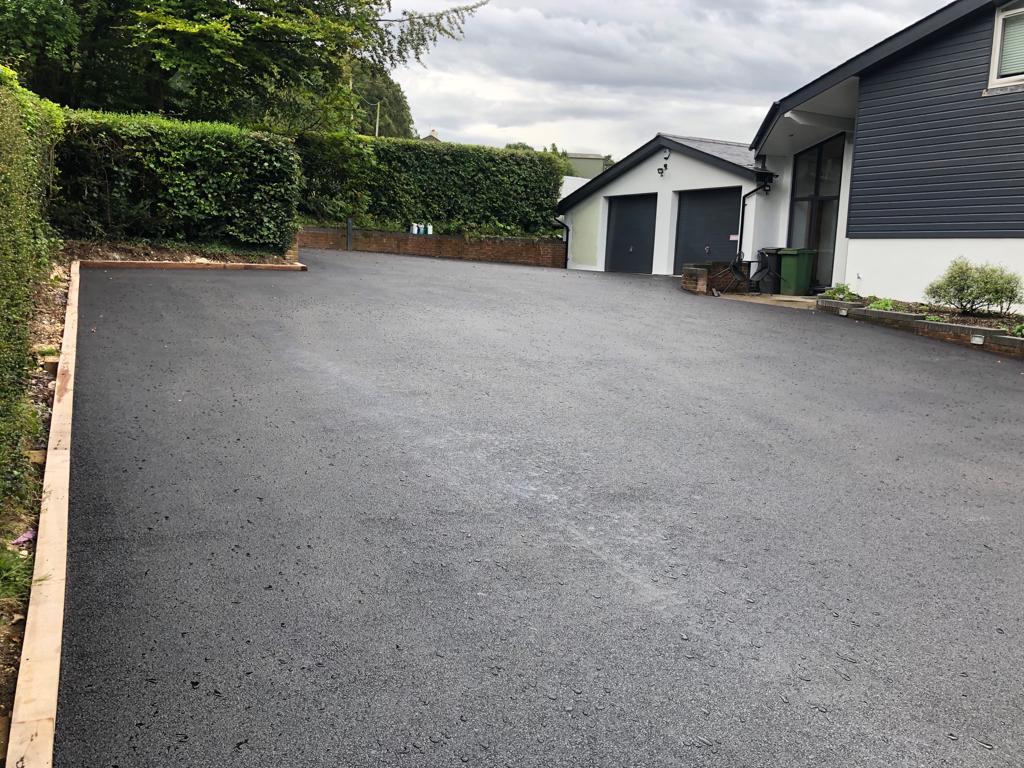
An asphalt driveway can provide a practical, durable and attractive surface for residential and commercial properties. When properly designed, installed and maintained, asphalt can handle regular vehicle use while creating a clean and defined entrance to a property.
For property owners in Doncaster, VIC, understanding how asphalt driveways work, what maintenance they require and what to expect from professional installation can make it easier to plan a suitable driveway project.
What Is an Asphalt Driveway?
An asphalt driveway is constructed using a carefully prepared base with a layer of asphalt laid and compacted over the top. The strength and performance of the finished surface depend not only on the asphalt itself but also on proper ground preparation, drainage and compaction.
A well-prepared foundation helps distribute vehicle loads and reduces the risk of premature movement, cracking and surface deterioration. This makes preparation an important part of achieving a long-lasting driveway.
Benefits of Asphalt Driveways
One of the main advantages of asphalt is its ability to provide a strong surface suitable for regular vehicle traffic. It can be particularly practical where a driveway needs to withstand repeated use without becoming difficult to maintain.
Other potential benefits include:
- A smooth and relatively uniform driving surface
- A clean appearance that complements many properties
- Good resistance to regular vehicle use when correctly installed
- Straightforward routine maintenance
- Flexibility that can help the surface accommodate normal ground movement
- Efficient installation by an experienced driveway contractor
The suitability of asphalt depends on the property, existing ground conditions, drainage requirements and intended use of the driveway.
How Is an Asphalt Driveway Installed?
Professional installation generally begins with assessing the existing ground and determining the required levels and drainage arrangements. Any unsuitable material may need to be removed before the foundation is prepared.
A suitable base is then installed and compacted to create a stable foundation. The asphalt is placed over the prepared surface and compacted carefully to achieve the required finish.
Attention to edges, transitions and drainage is also important. Water that is not directed away effectively can contribute to deterioration over time, so these details should be considered as part of the overall driveway design.
What to Expect During an Asphalt Driveway Project
Before work begins, the driveway area should be assessed to identify ground conditions, access requirements, drainage considerations and the most appropriate construction method.
During installation, there may be preparation and excavation work before the asphalt is laid. Depending on the property and scope of the project, access to the driveway may be restricted while the surface is being completed and allowed to settle.
A professional contractor should explain the work involved, prepare the area properly and ensure that the finished driveway provides suitable access and drainage.
Asphalt Driveway Maintenance Tips
Regular maintenance can help identify minor problems before they become more significant. Keeping the surface reasonably clean and checking it periodically can make it easier to spot cracks, damaged edges or areas where water is collecting.
Useful maintenance practices include:
- Remove dirt, leaves and other debris regularly
- Keep drainage areas clear
- Monitor cracks and damaged sections
- Avoid allowing standing water to remain on the surface
- Take care around driveway edges, particularly where vehicles regularly turn
- Arrange professional assessment if noticeable deterioration develops
Small defects should not necessarily be ignored. Addressing problems early can help prevent further deterioration and preserve the condition of the driveway.
Common Problems With Asphalt Driveways
Even a well-installed asphalt driveway can eventually develop issues. Cracking can occur because of ground movement, moisture, ageing or stresses placed on the surface. Potholes may develop when water enters damaged areas and weakens the underlying structure.
Poor drainage can also contribute to surface deterioration. If water repeatedly collects on or beside the driveway, the underlying materials may become affected over time.
The appropriate repair method depends on the cause and extent of the problem rather than simply treating the visible damage.
Why Professional Asphalt Driveway Installation Matters
The quality of an asphalt driveway depends heavily on preparation and installation. An attractive surface will not perform as expected if the underlying ground is unstable or drainage has not been properly considered.
Professional driveway contractors can assess the site, prepare the foundation, establish appropriate levels and ensure the asphalt is laid and compacted correctly. This provides a more reliable basis for long-term driveway performance.
At Doncaster Road Tech, we focus on practical driveway solutions designed around the requirements of each property in Doncaster, VIC. From site preparation through to the finished asphalt surface, careful workmanship helps ensure the driveway is suitable for its intended use.
Conclusion
Asphalt driveways offer a practical combination of durability, smooth appearance and manageable maintenance. However, the quality of the finished result depends on more than the asphalt itself. Proper preparation, drainage, installation and ongoing care all contribute to the driveway’s performance.
If you are considering an asphalt driveway or need professional advice about an existing surface in Doncaster, VIC, Doncaster Road Tech can assess your requirements and discuss a suitable driveway solution. Contact us to arrange an assessment and find out more about your project.
Call us on: 03 9068 7895
Click here to find out more about Doncaster Road Tech
Click here to complete our contact form and see how we can help with your driveways.