Choosing the right driveway or surfacing material can make a significant difference to the appearance, functionality and long-term performance of a property. Asphalt surfacing is a popular option because it creates a smooth, practical surface that can withstand regular vehicle use when properly designed, installed and maintained.
For property owners in Doncaster, VIC, Australia, asphalt can be suitable for a range of applications, from residential driveways to access roads and parking areas. Understanding its benefits, where it works best and how to maintain it can help you decide whether it is the right solution for your property.
What Is Asphalt Surfacing?
Asphalt surfacing is produced by combining aggregates, such as crushed stone and sand, with a bituminous binder. The mixture is laid and compacted to form a firm, continuous surface designed to support vehicle traffic.
The finished result is generally smooth and even, making asphalt suitable for areas where reliable access and practical everyday use are important. Its performance depends on several factors, including the quality of the materials, the condition of the underlying ground, drainage and the thickness of the installed layers.
A well-planned asphalt surface is more than just the visible top layer. The preparation beneath it plays a crucial role in preventing movement, unevenness and premature deterioration.
Key Benefits of Asphalt Surfacing
One of the main advantages of asphalt is its suitability for regular vehicle traffic. When installed over a properly prepared foundation, it can provide a durable surface for cars, light commercial vehicles and other traffic appropriate to its design.
Its smooth finish also creates a neat, consistent appearance. For residential properties, this can complement the surrounding landscaping while providing a practical route between the road and garage or parking area.
Asphalt can also be adapted to different site layouts. Its flexibility in design makes it suitable for straight driveways, curved access routes and larger paved areas, provided the design accounts for the intended use and ground conditions.
Another benefit is that asphalt surfaces can often be maintained or repaired in sections when damage is localised. Prompt attention to cracks, depressions and damaged edges can help prevent water entering the underlying layers and contributing to more extensive problems.
Common Applications for Asphalt Surfacing
Asphalt is used across a variety of settings because it combines a practical finish with the ability to accommodate different traffic requirements.
Residential driveways: Asphalt provides a smooth entrance to a property and a dependable surface for everyday vehicle movements. Proper drainage and a stable base are particularly important where vehicles regularly turn or remain parked.
Private access roads: Longer access routes can benefit from asphalt’s continuous finish. The pavement design should reflect expected traffic volumes, vehicle weights and the condition of the ground beneath the surface.
Parking areas: Asphalt can create organised parking spaces with a consistent finish. Suitable gradients and drainage arrangements help reduce standing water and protect the pavement.
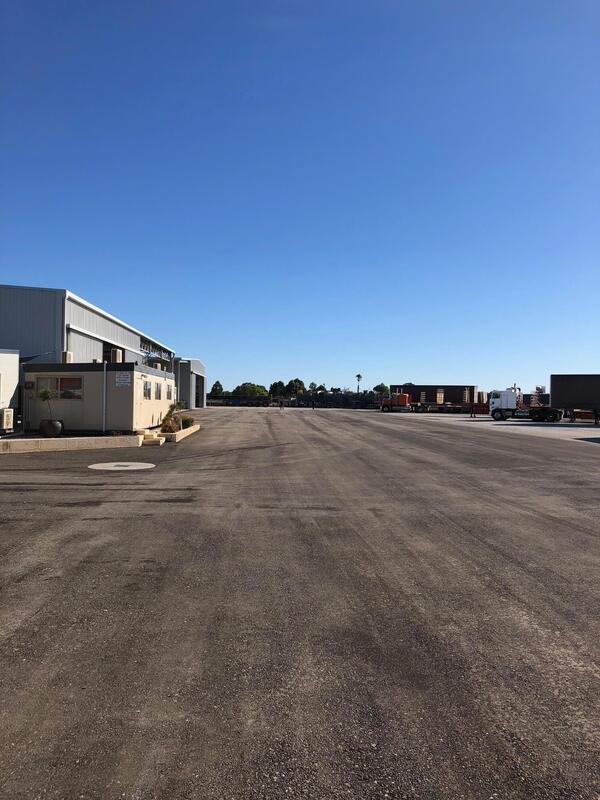
Commercial access areas: Locations experiencing repeated vehicle movements may benefit from asphalt surfacing designed to suit their operational demands. Heavier vehicles and frequent turning movements require appropriate structural support to reduce the risk of rutting and deformation.
Selecting the correct construction method for the application helps ensure the surface performs as intended rather than simply looking good immediately after installation.
What Determines the Long-Term Durability of Asphalt?
Although asphalt is designed for demanding outdoor use, its lifespan depends on the quality of the installation and the conditions it experiences.
Ground Preparation and Base Stability
The foundation beneath the asphalt must be stable and capable of supporting the expected loads. If the ground is poorly compacted or unsuitable for the intended traffic, the surface may develop depressions, cracks or areas of movement.
Proper site preparation helps distribute vehicle loads and reduces the likelihood of premature failure. This is one of the most important considerations when planning a new driveway or resurfacing project.
Drainage and Water Management
Water can weaken supporting layers if it repeatedly enters cracks or collects around the edges. Effective drainage helps direct runoff away from vulnerable areas and reduces the risk of damage.
In Doncaster, VIC, the design should account for local site conditions, rainfall exposure and the natural fall of the land. A professional assessment can help identify potential drainage problems before surfacing begins.
Traffic and Surface Use
The demands placed on an asphalt surface influence how well it performs over time. A residential driveway used by cars has different requirements from an access area regularly used by heavier vehicles.
Choosing a suitable pavement structure for the expected traffic helps reduce excessive wear, rutting and other forms of deterioration.
Routine Maintenance
Regular inspections help identify early warning signs, including cracking, loose edges, surface depressions and areas where water collects. Addressing these issues promptly can help limit further deterioration.
Keeping drainage paths clear and avoiding unnecessary loads beyond the surface’s intended capacity also supports long-term performance.
Signs Your Asphalt Surface Needs Attention
Asphalt does not always fail suddenly. In many cases, visible changes indicate that repairs may be needed before the problem becomes more extensive.
Look out for cracks that are widening, depressions where water gathers, crumbling edges and wheel tracks that become increasingly pronounced. These issues may result from ageing, water penetration, inadequate support or repeated traffic stress.
The correct repair depends on the cause. Treating a visible crack without addressing movement beneath the pavement, for example, may only provide a temporary improvement. A proper assessment helps determine whether a localised repair or more extensive resurfacing is appropriate.
Professional Asphalt Surfacing in Doncaster, VIC
A successful asphalt project requires careful planning, suitable materials and attention to the layers beneath the finished surface. Doncaster Road Tech provides driveway and surfacing services in Doncaster, VIC, Australia, helping property owners create practical surfaces suited to their site’s requirements.
Whether you are considering a new driveway, improving an existing paved area or addressing signs of deterioration, professional advice can help you understand the most appropriate approach. Assessing drainage, ground stability and intended vehicle use from the outset supports a more reliable result.
If you are planning an asphalt surfacing project or your existing surface needs attention, contact Doncaster Road Tech to discuss your requirements.
Conclusion
Asphalt surfacing offers a practical combination of a smooth finish, versatile applications and durability when correctly designed and installed. Its long-term performance depends on sound ground preparation, effective drainage, suitable construction and timely maintenance.
For property owners in Doncaster, VIC, understanding these factors helps ensure that a driveway or paved area meets its everyday requirements and remains functional over time. With appropriate planning and professional installation, asphalt can be a dependable solution for residential and other suitable surfacing applications.
Call us on: 03 9068 7895
Click here to find out more about Doncaster Road Tech
Click here to complete our contact form and see how we can help with your driveways.