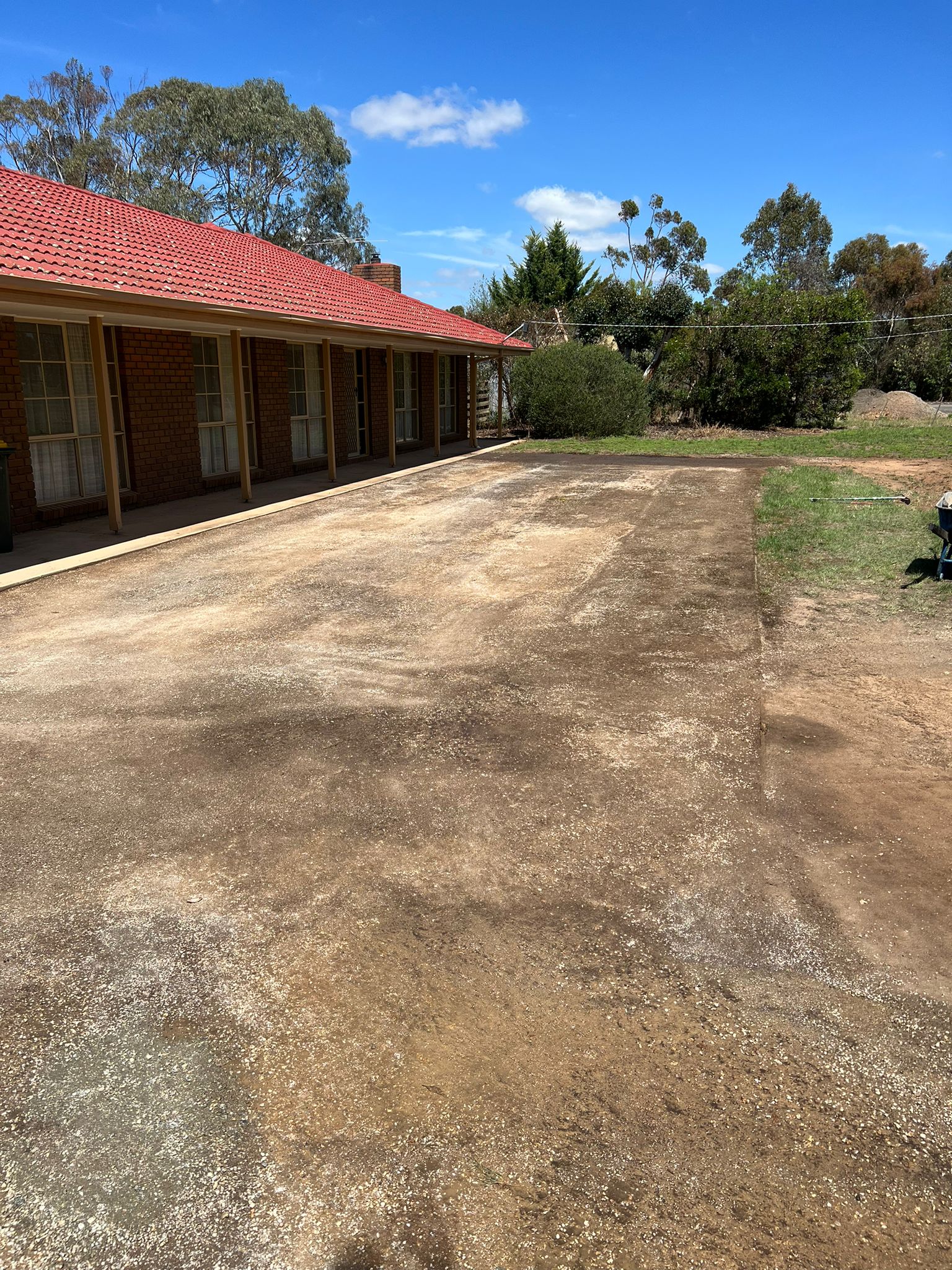
Cracks in an asphalt surface can be concerning, particularly when they begin appearing across a driveway, access road, car park or other frequently used area. However, cracking does not automatically mean the entire pavement needs to be removed and replaced. In many cases, the appropriate solution depends on the type of cracking, how widespread it is and, most importantly, what is happening beneath the surface.
For property owners and businesses in Doncaster, VIC, having cracked asphalt assessed before deciding on major work can help determine whether targeted repairs, resurfacing or more extensive reconstruction is appropriate. At Doncaster Road Tech, we focus on understanding why deterioration has occurred so that the work carried out reflects the actual condition of the pavement.
Why Does Asphalt Crack?
Asphalt is designed to provide a durable yet slightly flexible pavement, but it remains exposed to traffic, weather and gradual ageing throughout its service life.
Cracking can develop because of:
- Normal surface ageing
- Water entering the pavement
- Movement in the underlying base
- Repeated vehicle loading
- Poor drainage
- Localised settlement
- Weak pavement edges
The cause matters because two surfaces with similar-looking cracks may require very different treatments.
Minor Cracking May Not Require Replacement
A limited number of small cracks within an otherwise stable asphalt surface does not necessarily justify replacing the pavement.
Where cracks are relatively isolated and the surrounding asphalt remains sound, timely repair may help stop water and debris from entering the pavement structure.
Why Early Crack Repairs Matter
An open crack creates a pathway into the pavement. Once moisture reaches the supporting layers, deterioration can progress beneath asphalt that may still appear serviceable.
Addressing suitable cracks early can help:
- Limit moisture penetration
- Protect surrounding asphalt
- Slow further deterioration
- Maintain a more consistent surface
- Extend the useful life of the existing pavement
The important point is to act while the problem remains manageable rather than waiting for the cracks to develop into wider pavement failure.
The Pattern of Cracking Can Reveal More
Not all cracks mean the same thing. Their location and pattern can provide useful information about what may be happening within the pavement.
A single isolated crack may be a relatively localised problem. A network of interconnected cracks, on the other hand, can indicate that the pavement has lost structural support.
Signs that deserve closer investigation include:
- Cracks appearing across large sections
- Interconnected or alligator-style cracking
- Cracks accompanied by sinking
- Broken pavement around the cracks
- Water emerging or collecting in damaged areas
- Previous repairs beginning to crack again
These symptoms may indicate that repairing individual cracks alone will not address the underlying problem.
When Is Asphalt Resurfacing an Option?
Resurfacing can be a practical solution when the upper asphalt layer has deteriorated but the supporting pavement underneath remains sufficiently stable.
The process creates a renewed driving surface without necessarily reconstructing the entire pavement.
Resurfacing may be considered where there is:
- General surface ageing
- Widespread but relatively shallow deterioration
- Loss of surface quality
- Numerous minor defects
- A structurally suitable underlying pavement
Before resurfacing, existing defects need to be assessed and relevant repairs completed. Simply covering serious cracks can allow them to affect the new asphalt layer later.
Resurfacing Cannot Correct Every Problem
A new asphalt layer relies on the pavement underneath it. If significant movement, settlement or base failure is already occurring, resurfacing alone may not deliver a lasting result.
This is why assessing the foundation is an important part of deciding how cracked asphalt should be treated.
When Might More Extensive Reconstruction Be Necessary?
Some cracked surfaces have deteriorated beyond what localised repairs or resurfacing can reasonably address.
More extensive work may be appropriate where there is evidence of:
- Significant base failure
- Severe pavement movement
- Deep rutting or depressions
- Extensive interconnected cracking
- Multiple recurring potholes
- Large areas of unstable pavement
In these circumstances, failed sections may need to be removed so that the supporting structure can be corrected before a new surface is installed.
Recurring Cracks Can Point to a Deeper Issue
If cracks repeatedly return after being repaired, the cause may lie beneath the asphalt rather than within the surface layer itself.
Possible underlying problems include weak base material, ongoing ground movement, inadequate compaction or moisture affecting the pavement foundation.
Repeatedly sealing the same cracks without investigating these conditions may only provide a temporary improvement.
Drainage Should Always Be Considered
Water is one of the most important factors to investigate when asphalt begins cracking.
Poor grading or drainage can cause water to collect on the pavement or enter through damaged areas. Once moisture reaches the base, it can reduce support and contribute to further movement.
Look for warning signs such as:
- Water remaining after rainfall
- Cracks concentrated around low areas
- Soft pavement edges
- Depressions holding water
- Potholes forming near existing cracks
Correcting drainage problems may be an essential part of achieving a longer-lasting pavement repair.
How the Surface Is Used Also Matters
The appropriate repair strategy should take account of the traffic using the pavement.
A residential driveway carrying passenger vehicles experiences different demands from a commercial surface exposed to frequent vehicle movements. Repeated heavy loads, turning and braking can place greater stress on already weakened areas.
Professional assessment considers how the pavement is actually being used rather than looking at the cracks in isolation.
Repair, Resurface or Replace?
There is no single answer that applies to every cracked asphalt surface. The best approach depends on both the extent of visible deterioration and the condition of the supporting pavement.
As a general guide:
- Localised cracking may be suitable for targeted repair.
- Broader surface deterioration may make resurfacing worth considering.
- Significant structural or base failure may require reconstruction of affected sections.
The goal should be to preserve sound pavement where practical while properly addressing areas that have genuinely failed.
Why a Professional Assessment Is Valuable
Deciding whether cracked asphalt needs replacing based only on its appearance can lead to either too little work or more work than the pavement actually requires.
At Doncaster Road Tech, we assess asphalt and bitumen surfaces in Doncaster, VIC, by considering cracking patterns, drainage, pavement movement, existing repairs and the condition of the surrounding surface. This helps determine whether repair, resurfacing or more substantial work is the appropriate response.
Conclusion
Cracked asphalt does not always need to be replaced. Minor, isolated cracking can often be addressed through timely maintenance, while more widespread surface deterioration may be suitable for resurfacing if the pavement underneath remains stable.
Where cracking is accompanied by sinking, rutting, recurring potholes or significant pavement movement, however, the problem may extend deeper into the structure and require more extensive attention.
For property owners and businesses in Doncaster, VIC, the most useful first step is to understand why the asphalt is cracking before deciding how to repair it. If your pavement is showing signs of deterioration, contact Doncaster Road Tech for a professional assessment and advice on an asphalt or bitumen resurfacing solution suited to the actual condition of your surface.
Call us on: 03 9068 7895
Click here to find out more about Doncaster Road Tech
Click here to complete our contact form and see how we can help with your driveways.